Art therapy offers a gentle and meaningful space to explore thoughts, feelings, and wellbeing through the creative process. Our ANZACATA registered art therapist, provides 1:1 and group sessions at our Springvale clinic or in the comfort of participants’ own homes.
What is Art Therapy?
Art therapy is an evidence-based practice that uses art-making to promote mental health and personal growth.
- Art Therapy is not an art class or recreational activity. It is guided by a professionally trained therapist, grounded in psychological theory, with clear therapeutic goals and professional ethics. The focus is on the process and there is no right or wrong in what participants create. As our therapist often shares: “We are here to express and explore, not to impress.”
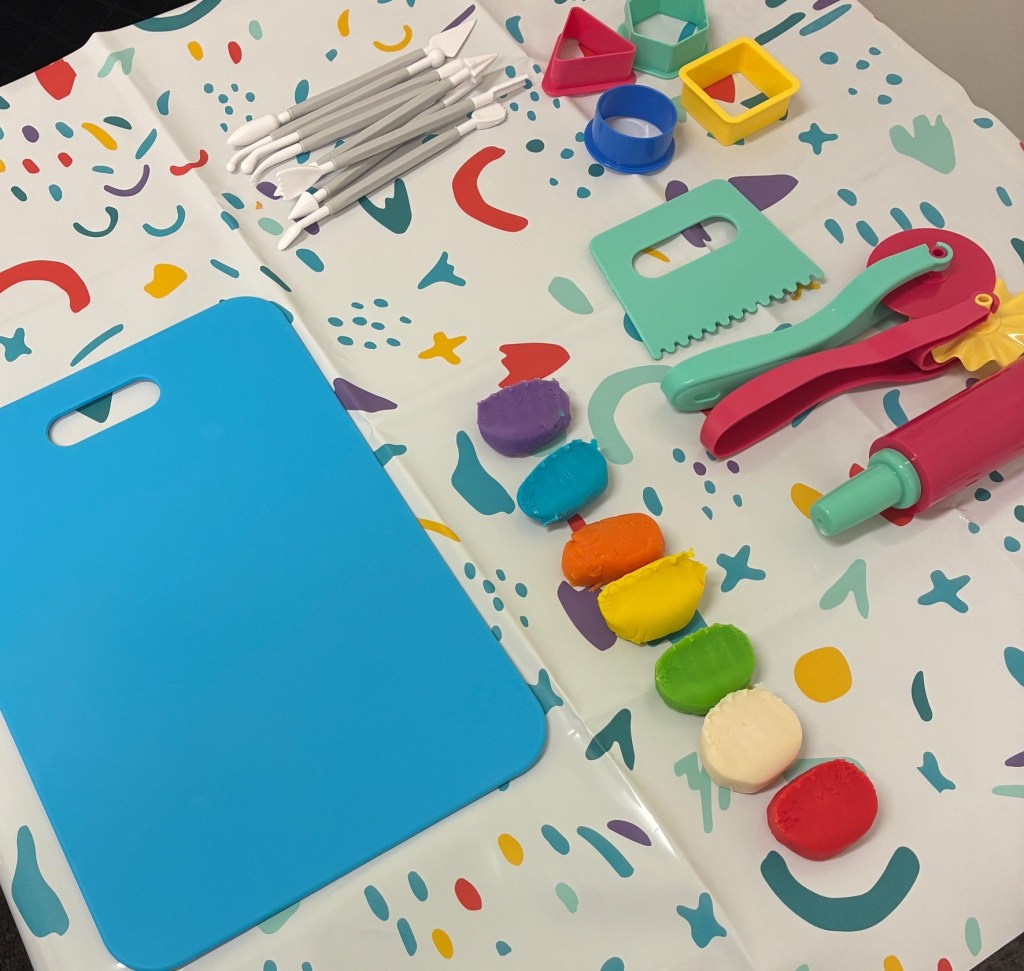
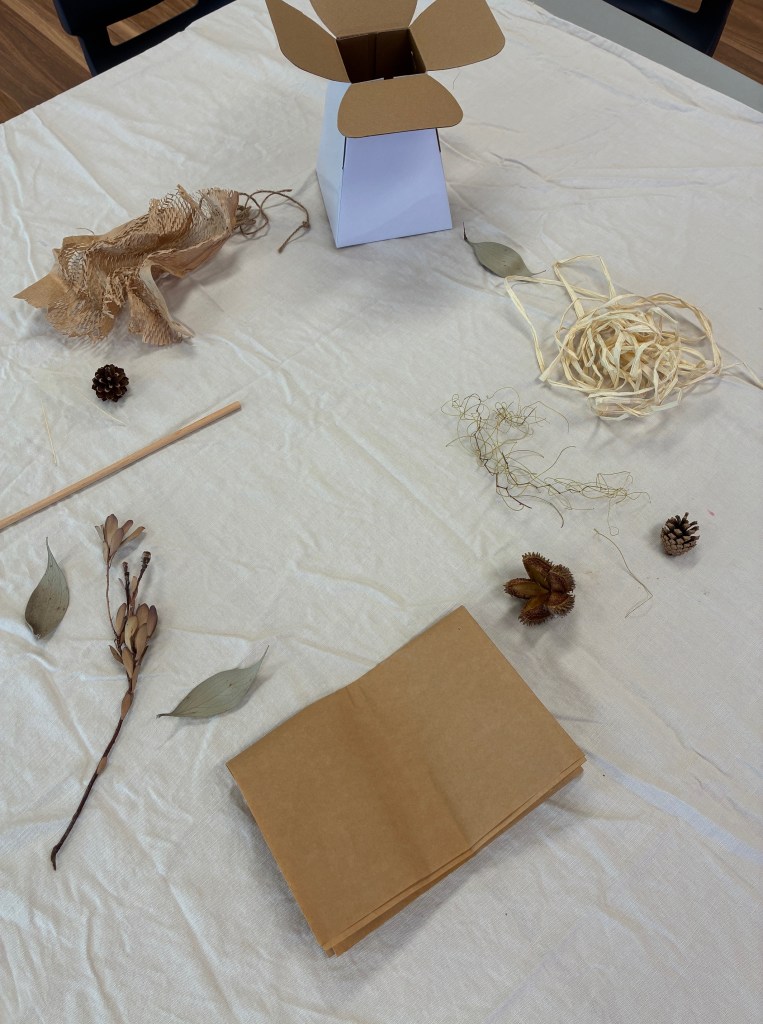
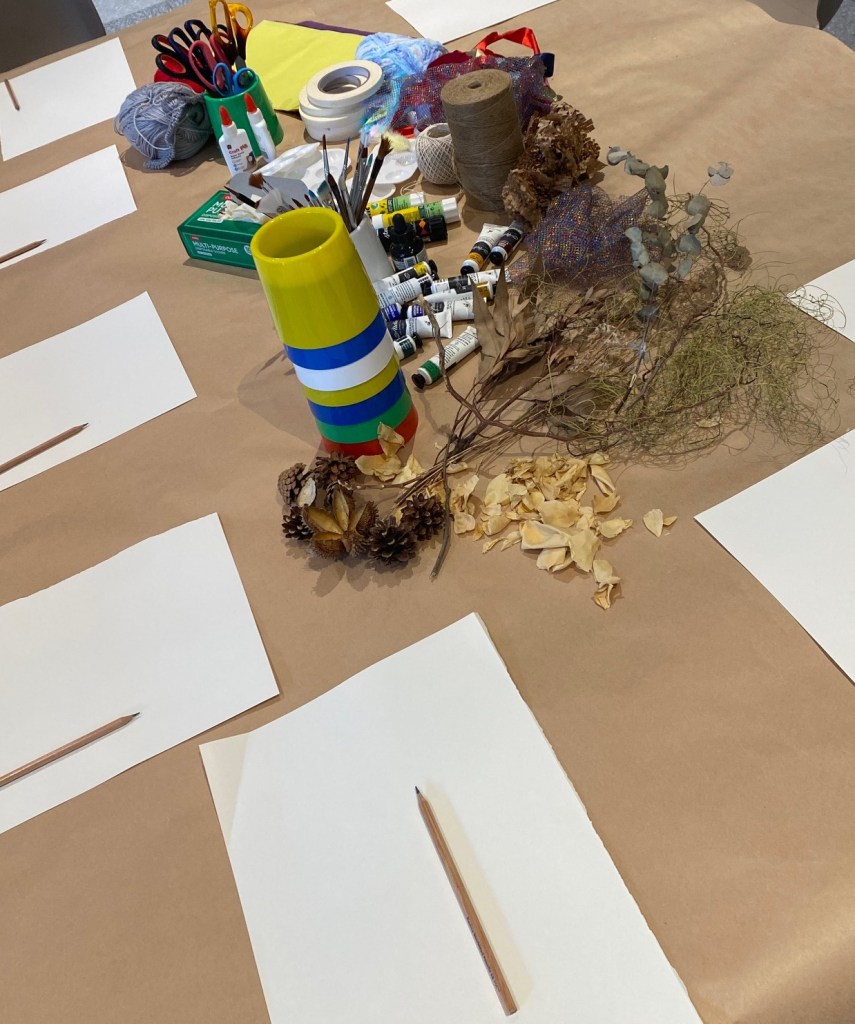
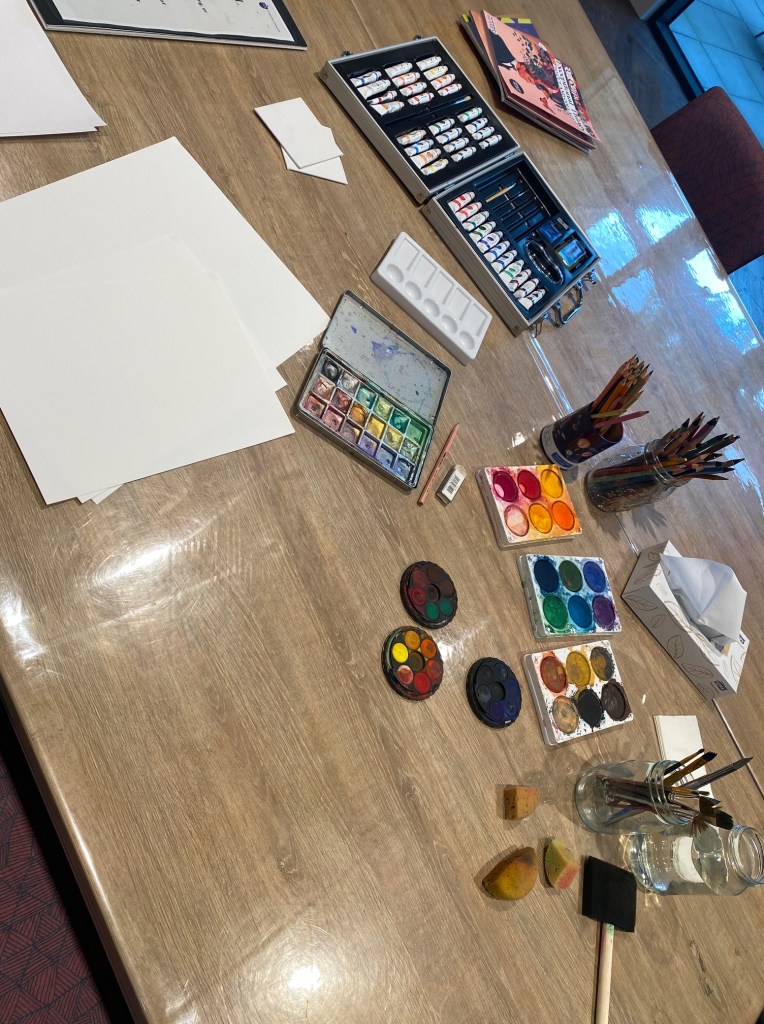
- Art Mediums: Visual art materials are incredibly diverse, including drawing (pencils, pastels, markers), painting (watercolour, acrylic), masks, sculpture (clay), collage (magazines, paper), natural materials (flowers, leaves), recycled materials, and photography or digital media. Participants can express their inner feelings through colour, shape, line, and texture.
Why is Art Therapy Effective?
Why is Art Therapy Effective?
- Find a way to express emotions that are hard to put into words
- Tap into their creativity and imagination in new and meaningful ways
- Build healthy coping strategies and strengthen their ability to focus
- Grow in self-confidence and develop a stronger sense of self
- Open up new pathways for communication and self-expression
- Experience connection and belonging in a safe and supportive space
- Strengthen fine motor skills and physical coordination through hands-on creative work
- Gain insight into what may be holding them back emotionally or personally, and begin to work through it
What Can You Expect in an Art Therapy Session?
What Can You Expect in an Art Therapy Session?
- Sessions can be 1:1 (individual) or group-based, depending on the participant’s needs and goals.
- Individual sessions offer a private, personalised space for participants to explore their thoughts and emotions at their own pace, with the therapist’s full attention.
- Group sessions provide a sense of community and shared experience. Creating alongside others can be healing in itself and help reduce feelings of isolation.
- Participants do not need to come in with anything to say or share. The therapist will support them through the process, and the artwork becomes a bridge for conversation and self-discovery.
What Does an Art Therapy Session Actually Look Like?
What Does an Art Therapy Session Actually Look Like?
Sessions look different for everyone, and that is part of what makes art therapy so adaptable. Here are some examples of what a session might look like:
- Talking and creating together. Participants might find themselves sharing something out loud while doodling or working with materials at the same time, using the creative process to stay present and focused in the conversation.
- Processing through image-making. Sometimes words are not needed at all. Participants might create something that represents a feeling or experience, and then gently unpack what came up together with the therapist.
- Starting without knowing where to begin. If a participant is unsure what to say or where to start, that is completely okay. Simple materials and open-ended prompts can help ease them in and encourage curiosity about whatever is present for them.
- Reconnecting with the body. Sessions can slow things down, bringing awareness to breath, physical sensations, and movement while working, helping participants feel more grounded and settled.
- Getting it out of your head. Externalising what a participant is carrying inside, whether it is a worry, an emotion, or something difficult to name, and placing it onto the page can bring a new sense of clarity and perspective.
- Incorporating elements of play. Play is a natural and powerful way to explore and make sense of our experiences. In art therapy, this might look like freely mixing colours, tearing and layering paper, or building something with clay just to see what emerges. For adults especially, playfulness can be a valuable way to access creativity, ease self-criticism, and reconnect with a more open state of mind.
Do You Have to Be Good at Art?
Do You Have to Be Good at Art?
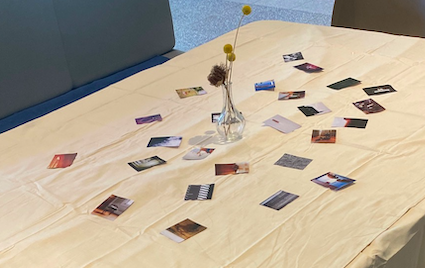
- Absolutely not. Art therapy is not about artistic skill or producing a beautiful final piece.
- The focus is entirely on the process of creating and what arises emotionally, mentally, and physically along the way.
- Participants of all levels of experience are welcome, from those who have never picked up a paintbrush to those with an established creative practice.
- As our therapist often reminds participants: “We are here to express and explore, not to impress.“
Hours
Monday—Saturday
8:30am — 6pm
We will visit you at your home!
All Thrive Care | Your Therapy and Support Specialist
Space
Address: 50 Garnsworthy St,
Springvale, VIC, 3171
Contact Us:
Email: service@allthrivecare.com.au Ph: 03 8567 8678
 All Thrive Care | Your Therapy and Support Specialist